How Integrated Billing and Inventory Management Helps Growing Businesses
Wiki Article
The Case for Moving From Disconnected Business Tools to One Platform
Business technology has changed significantly as organizations have moved from paper records toward digital systems. Yet many businesses still operate with a collection of separate tools. One application may handle billing, another may store accounting information, spreadsheets may be used for inventory, and customer reminders may be sent manually through messaging applications.
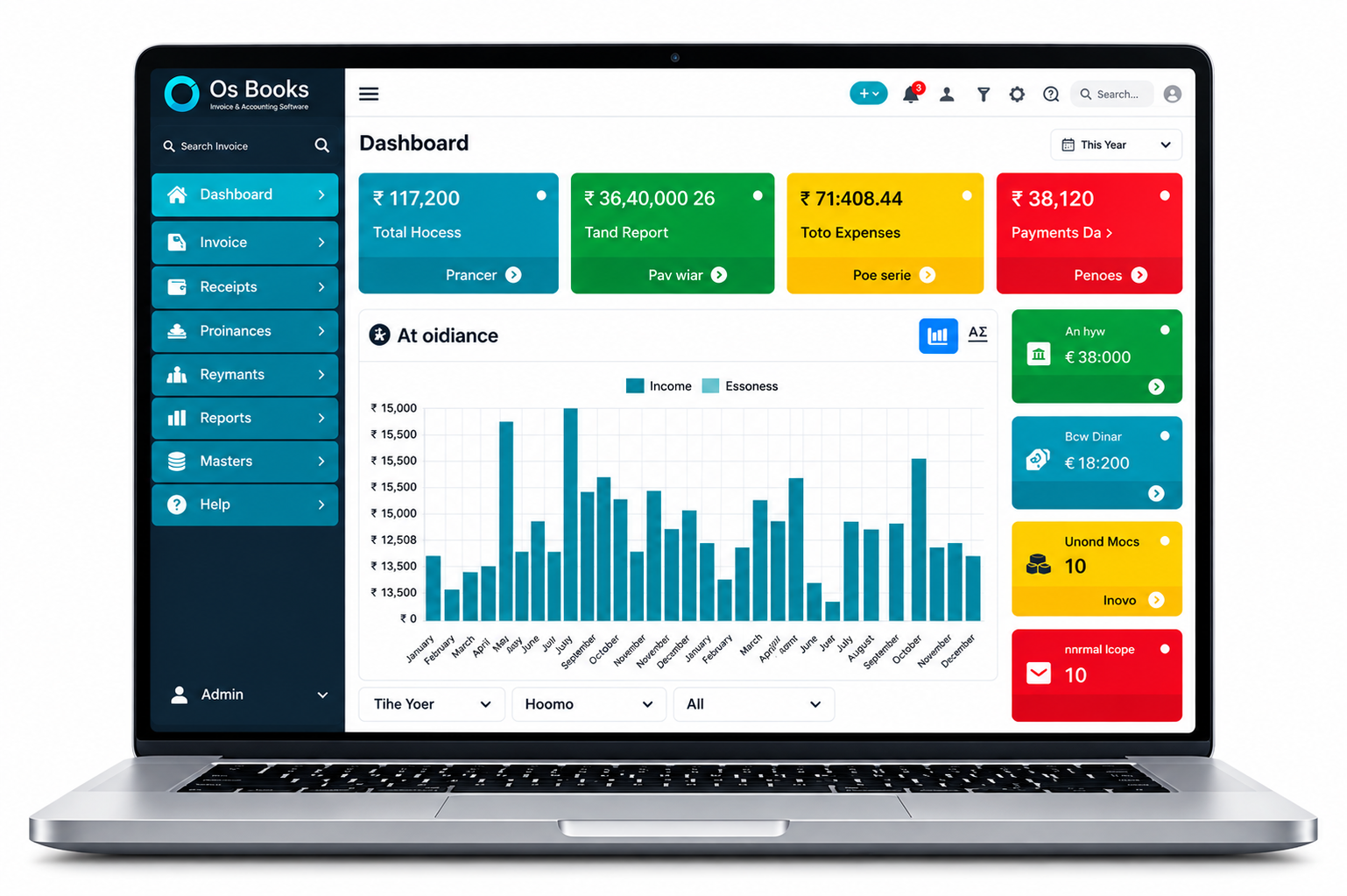
While separate tools can serve individual purposes, they can also create additional administrative work. An all-in-one business management platform takes a different approach by connecting multiple operational functions. OS-BOOKS from OS SOFT INDIA is designed to bring billing, inventory, GST, accounting, reports, and multi-branch management together, with additional capabilities for bill uploads, Tally data transfer, WhatsApp communication, and mobile and desktop access.
Understanding the Problem With Disconnected Systems
When business information is stored in different applications, employees may need to enter the same information more than once. A sales transaction may first be recorded in a billing application and later added to another system. Purchase information may be maintained separately from inventory records. Management reports may then require manual consolidation.
Administrative Work Can Grow Alongside the Business
The more transactions a business handles, the more important efficient information management becomes. Even if every individual task appears small, repeated manual activities can consume considerable working time over a longer period. An integrated platform can help businesses organize these activities around a shared workflow.
Billing and Inventory in One Operational Environment
Sales and inventory are closely connected for businesses that sell physical products. When an invoice is generated, product information may also be relevant to inventory records. When a purchase is recorded, the information may be relevant to both stock management and accounting.
OS-BOOKS combines billing and inventory functionality, giving businesses a way to manage these related activities through the same broader platform. This can be useful for businesses that want to reduce the separation between sales administration and inventory management.
Why Integration Can Improve Workflow Visibility
Integration does not eliminate the need for accurate data entry or good business processes. Instead, it creates a common environment where connected information can be managed more systematically. Employees can follow defined workflows, while managers can access records through the same system.
Accounting and GST Management
Accounting information is fundamental to business administration. Organizations need to maintain transaction records and manage relevant tax and financial processes according to their requirements. Software can help organize these records, but businesses should ensure that their accounting procedures remain appropriate and compliant with applicable regulations.
OS-BOOKS includes GST and accounting capabilities within its wider business management platform. Having these functions alongside billing and inventory can reduce the need to maintain separate operational systems for closely related records.
Processing Purchase Bills More Efficiently
Businesses often receive purchase documents in different formats. A supplier may provide a printed invoice that needs to be photographed, or a PDF invoice may arrive electronically. Manual entry can become repetitive when there are many documents.
Using Photos and PDFs for Purchase Entries
OS-BOOKS supports creating purchase entries from photos and PDF files. This feature is intended to make document-based data entry more convenient. Businesses can consider whether it fits their supplier invoice process and how much manual work it can remove from routine purchasing administration.
Digital document workflows can also help organizations establish a consistent approach to processing supplier information. As with any automated or assisted data-entry feature, users should review important records for accuracy.
Connecting Tally With a Modern Business Platform
Businesses that already use Tally may be concerned about transferring their information when considering another system. OS-BOOKS includes Tally import and export functionality to support data migration and synchronization requirements.
A transition should be planned carefully. Organizations can identify the records they need, review the available migration process, and verify information after transfer. Employees should also receive appropriate training so they understand how daily work will change after the new system is introduced.
WhatsApp as Part of the Billing Process
Digital customer communication has become part of everyday business administration. Customers often expect invoices and payment information to be delivered conveniently. OS-BOOKS provides functionality for sending bills and payment reminders through WhatsApp.
This can connect customer communication with the billing process instead of requiring employees to create separate messages manually for every transaction. Businesses should use the feature responsibly and maintain professional customer communication practices.
Reports That Bring Information Together
Business owners need more than raw transaction records. They need ways to review what is happening across sales, purchasing, inventory, accounting, and other operational areas. Reporting tools can organize this information into a more useful management view.
Common Areas for Management Review
- Billing activity
- Purchase records
- Inventory information
- Accounting data
- Customer payment follow-ups
- Branch-related information
- General business reports
Good reporting begins with good data. Businesses should establish clear procedures for entering and maintaining records so that reports remain useful for internal review.
Why Mobile Access Matters
Modern businesses are not always managed from a single office. Owners and managers may travel between locations, visit customers, or work outside normal office environments. Mobile access can therefore be an important feature when evaluating business management software.
OS-BOOKS is available through mobile and desktop devices. This allows users to select the device that best fits their working environment. Businesses should still establish appropriate access controls and user responsibilities to protect operational information.
Business Software for Different Industries
Business management requirements differ between industries. A retailer may focus heavily on inventory and billing, while a distributor may require purchasing and multi-location management. A service business may place greater emphasis on invoicing, customer records, and accounting.
An integrated platform can be valuable because businesses can use the functions relevant to their workflows instead of creating a separate system for every operational requirement. Before adopting software, organizations should map their processes and identify which features provide practical value.
Partnering With OS SOFT INDIA
OS SOFT INDIA also offers a partnership model for hardware and software vendors, system integrators, and business consultants. According to the provided company information, partners can receive sales or referral commissions, product training, marketing resources, implementation assistance, customer support, and partner support.
Why Technology Partners May Consider Business Management Software
Professionals who already serve small and growing businesses may encounter customers who need billing, inventory, accounting, or operational software. A partnership arrangement can provide another solution to present to those customers. Partners should review the provider's current commercial terms and support structure before making commitments.
What Businesses Should Look For in an All-in-One Platform
Businesses should focus on practical requirements rather than software complexity for its own sake. A useful evaluation can begin with several questions. How are invoices currently created? How are purchases recorded? Where is inventory information stored? How are accounting records maintained? How are customer reminders handled? What reports does management need? Are multiple branches involved?
- Review current business workflows before choosing software.
- Identify repetitive administrative tasks.
- Check billing and inventory requirements.
- Review GST and accounting needs.
- Consider existing Tally data and migration requirements.
- Evaluate reporting and branch management capabilities.
- Consider mobile and desktop access.
- Review training and support arrangements.
Creating a More Organized Digital Workflow
The real purpose of business software is not simply to replace paper with screens. It is to create a more organized method for handling information and routine work. When billing, inventory, purchasing, accounting, reporting, and customer communication are connected, employees can work within a more coherent process.
For management, centralized information can make it easier to understand how different parts of the business relate to one another. For employees, a structured system can reduce unnecessary switching between applications. The exact benefits will depend on implementation, data quality, training, and the organization's workflow.
Conclusion
All-in-one business management platforms offer an alternative to maintaining multiple disconnected tools for billing, inventory, accounting, GST, reporting, and customer communication. OS-BOOKS from Electronic Shop Software OS SOFT INDIA combines these functions and adds practical capabilities such as photo and PDF bill uploads, Tally import and export, WhatsApp bills and reminders, and mobile and desktop access.
Businesses evaluating a new software platform should focus on their actual operational needs and compare those Multi Store Accounting software needs with the available capabilities. A well-organized digital workflow can provide a useful foundation for managing transactions, records, customers, inventory, accounting information, and multiple branches as the business develops.
 Report this wiki page